
ABA Therapy Mason plays a crucial role in enhancing communication skills, especially for children with autism spectrum disorder (ASD). This therapy focuses on reinforcing desired behaviors and teaching new skills through structured techniques. By targeting specific communication challenges, ABA Therapy Mason helps individuals express themselves more effectively, whether through verbal language or alternative communication methods like sign language or communication devices.
The approach is personalized, addressing each child’s unique needs and providing them with the tools to interact confidently with others. With consistent practice and guidance, ABA Therapy Mason empowers children to improve not only their communication but also their social and emotional connections, making a significant difference in their everyday lives.
The Foundation of ABA Therapy Mason for Communication
ABA Therapy Mason forms the foundation for effective communication development in children, particularly those with autism spectrum disorder. It is grounded in Applied Behavior Analysis (ABA), a proven therapeutic approach that emphasizes skill-building and positive behavior reinforcement.
By focusing on both verbal and non-verbal communication deficits, ABA Therapy Mason offers a structured, individualized framework to enhance communication. Through careful observation, data collection, and tailored strategies, this therapy helps children make measurable progress. Below are key aspects of ABA Therapy Mason’s foundation that guide its success in improving communication skills.
Behavioral Principles for Skill Development
ABA Therapy Mason uses behavioral principles to target specific communication deficits. By breaking down complex communication tasks into smaller, manageable steps, therapists ensure that each skill is taught systematically and with precision. This method promotes steady progress and helps children develop the necessary skills for effective communication.
Data-Driven Approach to Progress
The core of ABA Therapy Mason is ongoing observation and data collection. Each child’s progress is meticulously tracked, allowing therapists to adjust strategies based on real-time information. This ensures that therapy remains responsive to the child’s needs and allows for continuous improvement in communication abilities.
Tailored Communication Goals
Every child’s communication journey is unique, and ABA Therapy Mason recognizes this by setting individualized goals. Whether addressing expressive or receptive language, therapists work to identify each child’s strengths and challenges, crafting personalized goals to enhance communication skills in a way that is meaningful to the child’s everyday life.
Structured Learning Environment
ABA Therapy Mason uses a structured approach to teach communication skills in a controlled, predictable environment. This setting helps children feel secure and ready to engage, promoting effective learning and communication practice. By providing a consistent structure, children gain confidence in their ability to communicate and interact with others.
Emphasis on Positive Reinforcement
Positive reinforcement is a central aspect of ABA Therapy Mason. Therapists use rewards and praise to encourage desirable communication behaviors, reinforcing each success along the way. This positive approach helps children develop motivation and confidence in their communication abilities, making them more likely to engage in social interactions.
ABA Therapy Mason Improves Communication Skills
ABA Therapy Mason focuses on both verbal and non-verbal communication, providing a balanced approach that caters to the needs of children with different communication styles. For verbal communication, therapists use techniques such as reinforcement and prompting to encourage speaking and improve language skills. Additionally, non-verbal communication skills, such as body language, facial expressions, and gestures, are taught to enhance overall communication.
ABA Therapy Mason also emphasizes the importance of understanding the social cues that accompany speech, enabling individuals to express themselves appropriately in various contexts. This dual approach ensures that children become more well-rounded communicators, capable of engaging in meaningful conversations and forming stronger relationships.
ABA Therapy Mason’s Role in Building Social Skills
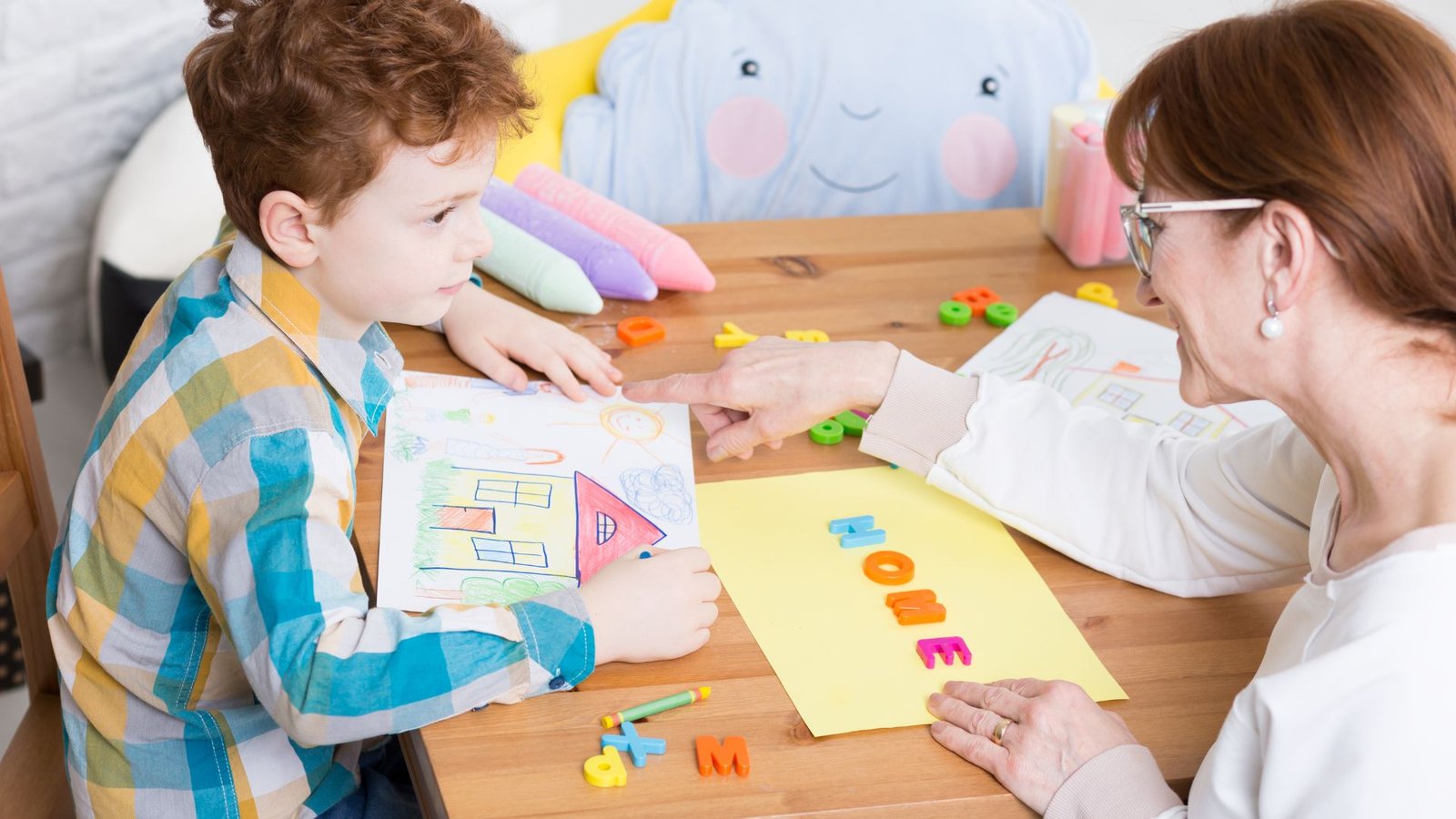
Social interaction is often challenging for children with autism, especially in terms of understanding social cues and maintaining conversations. ABA Therapy Mason plays a pivotal role in addressing these challenges by teaching social skills in a structured, predictable environment. Through role-playing, social scripts, and guided interactions, children are taught how to initiate and respond in social settings.
The therapy encourages appropriate eye contact, taking turns in conversations, and recognizing emotions in others. By practicing these skills in real-world scenarios, ABA Therapy Mason helps children gain confidence and competence in social situations, ultimately improving their ability to interact with peers, family members, and others in their community.
ABA Mason: Personalized Path to Communication
One of the key strengths of ABA Therapy Mason is its individualized approach. Every child’s communication needs are unique, and therapy is customized to address these specific requirements. By conducting thorough assessments, therapists identify areas of strength and areas that need improvement. This personalized approach allows the therapist to create a tailored plan that targets the child’s specific challenges, whether they relate to expressive language, receptive language, or social communication.
This individualized treatment plan ensures that the child receives the most effective interventions, enabling steady progress and meaningful growth in their communication skills. The flexibility of ABA Therapy Mason ensures that every child’s journey toward better communication is both supportive and rewarding.
ABA Therapy Mason: Boosting Language Development
Language development is a central focus of ABA Therapy Mason, which uses evidence-based techniques to improve both expressive and receptive language. The therapy incorporates various strategies, such as discrete trial training (DTT) and natural environment teaching (NET), to teach children how to understand and use language in different contexts.
By focusing on the child’s interests and experiences, ABA Therapy Mason creates a meaningful and engaging environment that encourages active participation. The therapy helps children learn new words, improve sentence structure, and develop the skills to engage in conversations. ABA Therapy Mason also works on expanding vocabulary and improving comprehension, ultimately helping children communicate more effectively with others.
ABA Therapy Mason: Boosting Communication Skills
Many children with communication difficulties also face behavioral challenges related to frustration, anxiety, or a lack of effective communication strategies. ABA Therapy Mason directly addresses these behavioral challenges by teaching alternative, more effective communication methods. For children who struggle with non-verbal communication, therapists often introduce augmentative and alternative communication (AAC) devices or visual supports, helping the child express their needs and emotions.
ABA Therapy Mason also works on reducing disruptive behaviors by replacing them with positive communication skills. This holistic approach not only improves verbal and non-verbal communication but also reduces frustration, leading to better emotional regulation and a higher quality of life for the child.
Boosting Communication Skills with ABA Therapy Mason
Confidence plays a crucial role in effective communication, and ABA Therapy Mason helps children build this confidence step by step. By providing positive reinforcement and celebrating small achievements, therapists foster a sense of accomplishment in children. As children progress in their communication skills, they gain more confidence in their ability to interact with others.
This confidence extends beyond the therapy room and into everyday interactions with family, peers, and educators. ABA Therapy Mason ensures that children develop the self-assurance they need to participate in conversations, express their thoughts, and form lasting relationships. The sense of success and pride that comes from achieving communication milestones boosts the child’s self-esteem and encourages continued progress.
Conclusion
ABA Therapy Mason offers a proven, effective approach to improving communication skills in children with autism. By addressing both verbal and non-verbal communication challenges, this therapy provides children with the tools they need to express themselves, engage socially, and build confidence in their abilities. Through individualized strategies, ABA Therapy Mason fosters meaningful progress, ensuring that each child develops essential communication skills at their own pace.
At Positive Solutions Behavior Group LLC, located at 6396 Thornberry Court, Suite 710, Mason, OH 45040, we are dedicated to helping children thrive through personalized ABA therapy. If you’re ready to support your child’s communication journey, give us a call at 859-282-0400.
PODCAST – https://www.podomatic.com/podcasts/swadeshbaidya5436podcast/episodes/2025-08-27T18_55_33-07_00